
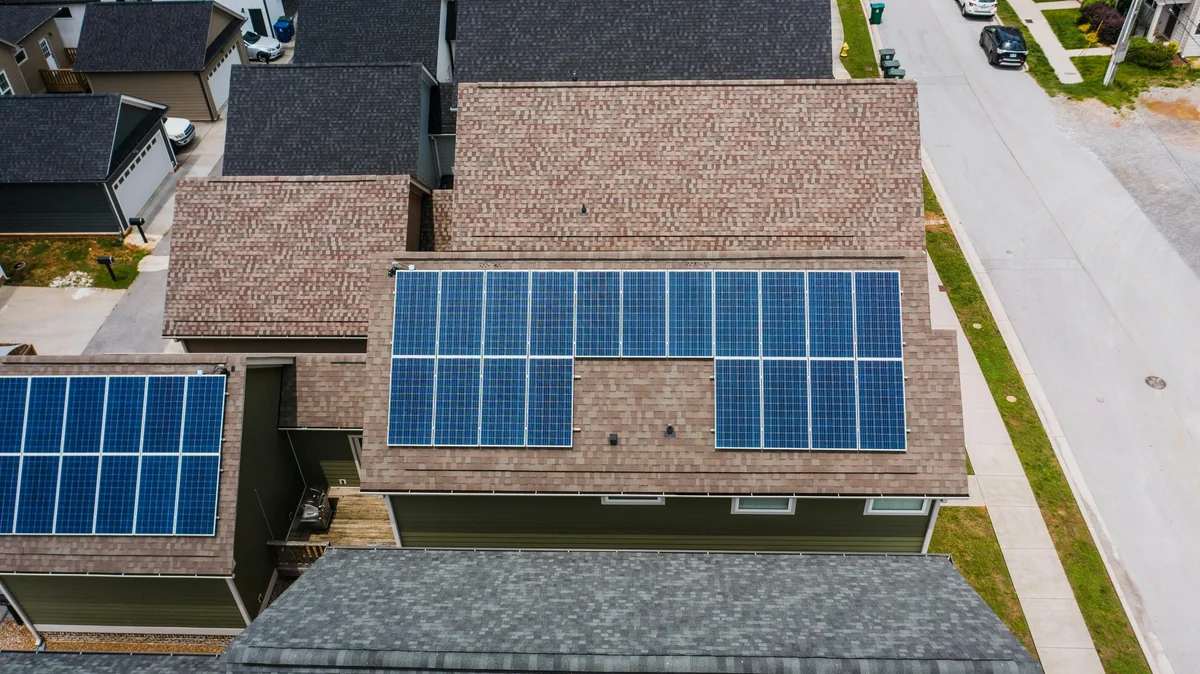
Usually, yes. Homes with solar tend to sell for more than similar homes without it, and Zillow research found a 4.1 percent premium nationally. In Florida, the value solar adds isn't taxed, thanks to the state's property tax exemption for renewable energy equipment. Owned systems add the most; leased panels can complicate a sale.
The Financial Upside of Solar Panels
Boosted Home Value
Installing solar panels is a smart move for Florida homeowners looking to increase their property value. Zillow research found homes with solar panels sold for about 4.1% more than comparable homes without them. To see what that kind of bump could mean for your house, start with a Florida home value estimate.
Quicker Sales
Solar panels don't just add value, they help homes sell faster. Research from the Lawrence Berkeley National Laboratory indicates that homes with solar systems sell 20% faster than those without. Buyers are increasingly drawn to the energy savings and eco-friendly benefits of solar-powered homes.
Solar Energy in Florida: A Perfect Match
Sunshine Abundance
Florida isn’t called the Sunshine State for nothing. With about 230 sunny days per year, it’s the ideal location for solar energy. This plentiful sunlight ensures that solar panels can generate ample power, making them a highly effective feature for any home in Florida.
Energy Cost Reduction
Electricity prices are on the rise in Florida, making the cost-saving potential of solar panels even more attractive. Homeowners can significantly cut or even eliminate their electricity bills, saving thousands of dollars over the years. This substantial reduction in energy costs adds another layer of appeal to homes equipped with solar
panels.
Tax Incentives and Rebates
Florida offers several incentives to make solar panel installation more affordable. The Solar and CHP Sales Tax Exemption means no sales tax on solar panel purchases, and the Property Tax Abatement for Renewable Energy Property ensures that adding solar panels won't increase property taxes. Federal solar tax credit rules have changed in recent years, so confirm what's available now with a tax professional before you count on it.
Environmental Benefits
Lower Carbon Footprint
Solar panels reduce dependence on fossil fuels, cutting down on greenhouse gas emissions. A typical residential solar system can offset about 3 to 4 tons of carbon emissions each year, equivalent to planting over 100 trees annually. This environmental benefit is a significant selling point for eco-conscious buyers.
Sustainability Appeal
Today's buyers are more interested in sustainability than ever before. Homes with solar panels signal a commitment to green living, attracting environmentally aware buyers. In a competitive real estate market, this sustainable feature can set your home apart.
Considerations and Challenges
Initial Investment
The upfront cost of installing solar panels can be high, averaging between $15,000 and $25,000 for a residential system in Florida. However, various financing options, including solar loans, leases, and power purchase agreements (PPAs), can make this investment more feasible. The long-term savings on energy bills often offset the initial cost over time.
Aesthetic Concerns
Some homeowners worry about the appearance of solar panels. However, advancements in solar technology have led to more aesthetically pleasing options, such as solar shingles and sleek panel designs that blend with the roof line. The growing appreciation for solar energy often outweighs these aesthetic concerns.
For Florida homeowners, installing solar panels is a bright idea. Not only do they offer substantial savings on energy bills, but they also enhance home value, promote quicker sales, and appeal to eco-conscious buyers. Despite the initial costs, the long-term financial and environmental benefits, coupled with state and federal incentives, make solar panels a worthwhile investment. As demand for green energy solutions continues to grow, homes with solar panels are likely to see even greater value appreciation in the future.
Sources:
National Renewable Energy Laboratory (NREL)
Lawrence Berkeley National Laboratory
Florida Solar Energy Center (FSEC)
What Florida buyers ask about solar and home value
Do solar panels raise property taxes in Florida?
No. Florida's property tax exemption for renewable energy property means the value solar adds isn't counted when your home is assessed. Florida also exempts solar equipment from state sales tax.
Do leased solar panels hurt resale value?
They can. Owned systems are almost always worth more to buyers because nobody has to take over a third-party contract. With a lease, find out early how the agreement transfers, because not all of them work the same way.
Do homes with solar panels sell faster?
Often, especially when the seller has the paperwork ready. A newer, owned system with warranties and a record of low power bills gives buyers a reason to move. An older system on a worn roof can slow things down.
What should buyers ask about a home with solar panels?
Ask if the system is owned or leased, how old it is, if the warranty transfers to you, and for the past year of power bills. Then get the roof inspected, since the panels sit on top of it. Our look at solar values in 2025 and 2026 goes deeper.
Do solar panels affect home insurance in Florida?
They can raise your premium a bit because they add to the home's replacement cost. Insurers may want proof the system was permitted and installed to wind standards. Leased panels are usually insured by the leasing company.