Open houses in Tampa get a lot of foot traffic and produce fewer offers than people assume. That's not a knock on the format. It's just the reality of how Tampa buyers actually shop right now, and understanding it changes how you use them, whether you're the one hosting or the one walking through.

What Open Houses Actually Do in Tampa's Market
The primary function of an open house in 2026 isn't to find the buyer. It's to create social proof and build urgency. When a Tampa home has 40 people come through on a Sunday afternoon, that activity signals something to the neighbors, the listing platforms, and the buyers who come back for a second showing. The open house itself rarely produces the offer. The follow-up does.
For sellers, this matters because an open house is a marketing tool, not a sales event. The setup, the condition of the home, the way it's priced going in — all of that has to be right before the open house does anything useful. A poorly priced home in mediocre condition doesn't benefit from foot traffic. It just collects feedback you could have gotten from an agent's market analysis.
For buyers, the value of attending an open house is different. You get an unfiltered look at the home, the neighborhood activity, and the seller's agent. How the listing agent answers questions at an open house tells you a lot about how the negotiation is going to go. Pay attention to what they emphasize and what they skip over.
Tampa Neighborhoods Where Open Houses Get the Most Action
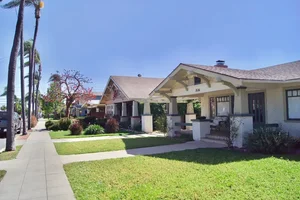
Not every part of Tampa sees the same open house traffic. In areas like South Tampa, Seminole Heights, and parts of New Tampa, open houses can draw serious crowds, particularly for homes priced under $600K. These are neighborhoods where buyers are active, inventory turns quickly, and an open house signals genuine competition.
In neighborhoods farther from the core like parts of Riverview, Ruskin, or some of the Wesley Chapel subdivisions, open houses tend to attract more casual lookers. That doesn't mean they're useless, but sellers in those areas often find private showings produce more qualified buyer conversations than a Sunday open event.
Timing matters too. Tampa's spring season runs hot from March through May. Open houses in that window see more traffic and more buyer urgency than the same home would see in July. Year after year, Spring remains the strongest window for home sales nationally, and Tampa follows that pattern closely. If you're a seller planning to list, scheduling your first open house in that spring window is worth the coordination effort.
What to Actually Do at a Tampa Open House
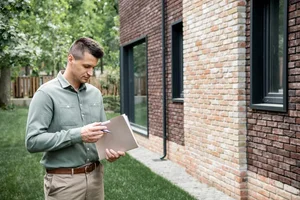
If you're a buyer, come prepared. Bring your pre-approval letter, or at least know your number. The listing agent will ask, and showing up without clarity signals you're not serious. Walk the perimeter of the home before you go inside. Look at the roof, the gutters, the driveway. Those are the things sellers stage around, and they tell a more honest story than the freshly painted interior.
Ask the listing agent directly: how long has it been on the market, and have there been any price reductions? Agents are required to answer honestly. The answers tell you whether you're walking into a competitive situation or one where the seller needs you more than you need them. Understanding the Florida buyer broker agreement before you go also helps you know exactly what representation you have and what you're committing to.
For more context on Tampa's current conditions, including inventory levels and what buyers are actually negotiating right now, see our full breakdown of what Tampa's housing market looks like in 2026.
If you're ready to buy or sell in Tampa and want someone in your corner who knows the neighborhoods, reach out to the Vreeland Real Estate team. We'll tell you which open houses are worth your Saturday and which ones you can skip.